Introduction
When it comes to home maintenance, few elements are as critical as the roof over your head. It’s not just about aesthetics; your roof protects you Look at more info from the elements, regulates temperature, and enhances your home's value. However, all roofs have a lifespan, and knowing when to replace or repair them can save you a bundle down the road. In this article, we’ll dive deep into the various types of roofing materials and their replacement timelines, specifically focusing on roof replacement in Cork, roof repairs and replacements, and all that jazz.
Roofing Material Matters: When to Replace Based on Type
Understanding roofing materials is crucial for homeowners. Each type has its own durability, maintenance needs, and replacement schedules. Whether you're considering asphalt shingles or metal roofs, knowing when to call for a roof replace can be the difference between minor repairs and major headaches.
Why Roof Replacement is Important?
Roof replacement isn't just about aesthetics; it’s about safeguarding your home. So why should you care?
Protection Against Elements
Your roof is your first line of defense against rain, snow, wind, and sun damage. If your roof is compromised, so is everything beneath it.
Energy Efficiency
A well-maintained roof helps regulate your home’s temperature. An old or damaged roof can lead to higher energy bills due to poor insulation.
Home Value
A new roof increases property value significantly. If you ever decide to sell your home, potential buyers will appreciate a solid roof over their heads.
Safety Concerns
A deteriorating roof poses safety risks like leaks or even collapses in extreme conditions.
In short, neglecting roof maintenance can lead to costly repairs down the road that could have been avoided with timely roof Affordable roofing Surrey repairs and replacement.
How Long Does Each Roofing Material Last?
Asphalt Shingles
- Lifespan: 15-30 years Pros: Affordable, easy installation Cons: Prone to cracking in extreme weather
Asphalt shingles are one of the most popular roofing materials in Cork due to their affordability and ease of installation. However, they’re not invincible! A good rule of thumb is if you notice curling or missing shingles after a storm—it's time to consider a roof replace.
Metal Roofs
- Lifespan: 40-70 years Pros: Durability and energy efficiency Cons: Higher initial cost
Metal roofs are becoming increasingly popular thanks to their longevity and resistance to severe weather conditions. If installed correctly by professionals specializing in roof replacement in Cork, these roofs can last a lifetime! However, keep an eye out for rust spots or loose panels as indicators that it might be time for repairs.
Tile Roofs
- Lifespan: 50+ years Pros: Extremely durable Cons: Heavy weight requiring strong structural support
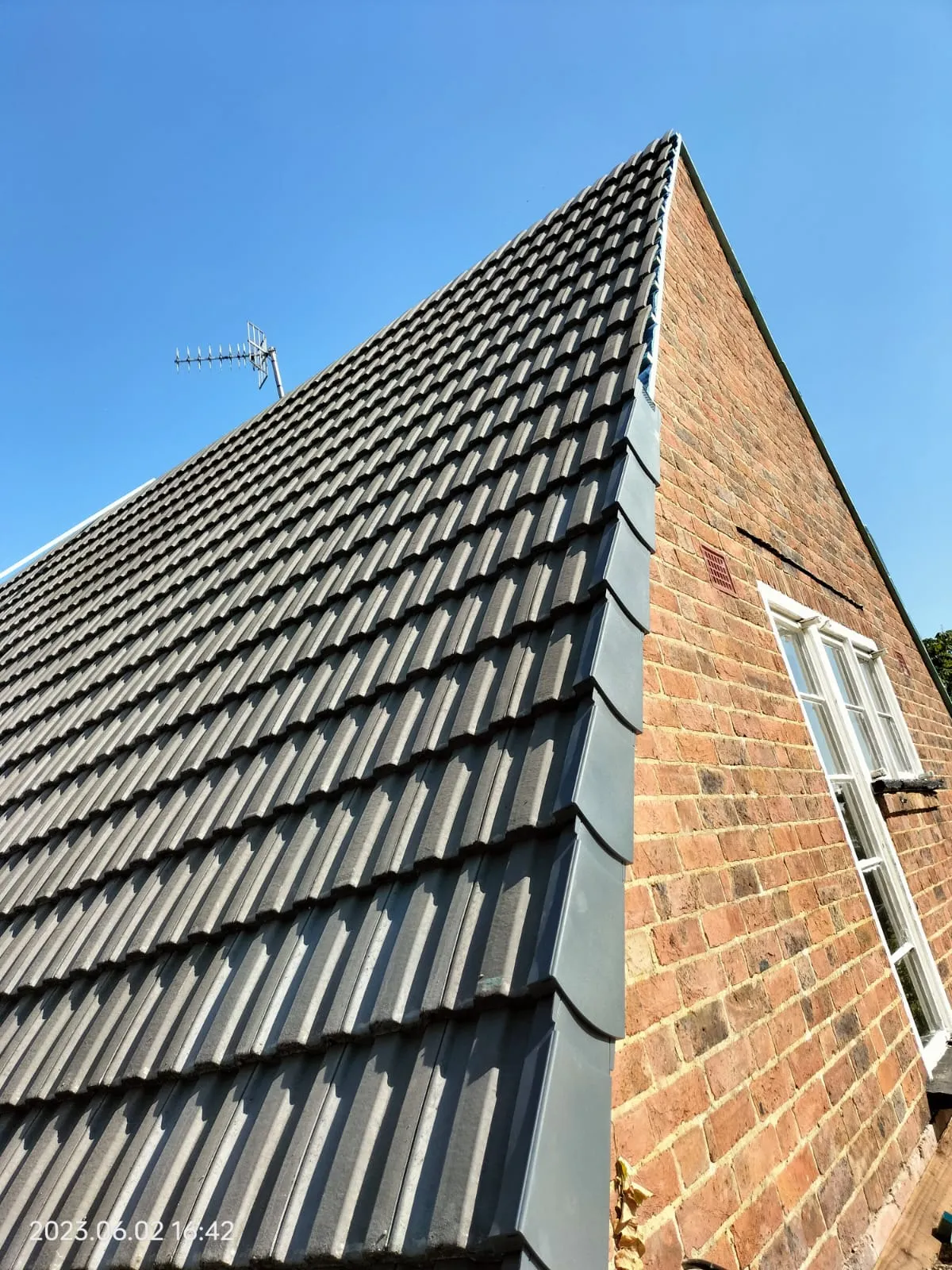
Tile roofs are known for their incredible life span but come with challenges like weight considerations during installation. Cracked tiles should be replaced immediately before they lead to leaks!
Wood Shakes
- Lifespan: 30 years (with proper maintenance) Pros: Natural aesthetic appeal Cons: Susceptible to mold and insects
Wood shakes provide charm but require regular maintenance—think cleaning and treating for pests—to maximize their lifespan.
Signs It's Time for Roof Replacement
1. Frequent Leaks
If you find yourself constantly patching leaks every season, it’s a sign that your roofing material may be past its prime.
2. Granule Loss
Granules protect shingles from UV rays; if you're noticing them in gutters or around your yard… it's time for a check-up!
3. Visible Damage
Cracks or holes visible from ground level shouldn’t be ignored! Inspect closely after storms too!
How Weather Affects Roofing Materials
Rainfall Impact on Roof Longevity
Heavy rainfall can lead to accelerated wear-and-tear on some materials like asphalt shingles which absorb water over time.
Snow Accumulation Risks
If snow accumulates on flat roofs without proper drainage systems installed… get ready for possible collapse!
Roofing Material Matters: The Cost Factor in Replacement
Understanding costs associated with different types of roofs can help you budget accordingly:
| Roofing Material | Average Lifespan | Estimated Cost Per Square Foot | |------------------|------------------|--------------------------------| | Asphalt Shingles | 15-30 years | $90-$100 | | Metal Roof | 40-70 years | $150-$300 | | Tile Roof | 50+ years | $300-$600 | | Wood Shakes | 30 years | $250-$450 |
" width="560" height="315" frameborder="0" allowfullscreen>
As seen above, while metal roofs have higher upfront costs than asphalt shingles… they often pay off in long-term savings!
FAQs About Roof Replacement
1. How do I know if I need roof repairs?
Look for signs like leaks inside the house or missing shingles outside!
2. What's the best time of year for a roof replacement?
Late spring through early fall tends to be ideal due to milder weather conditions.
3. Can I install my new roof myself?
While DIY projects sound appealing… it's usually best left up to professionals unless you're experienced!
4. What permits do I need for a roof replacement?
Most localities require permits; check with local regulations before starting any work!
5. How often should I inspect my roof?
At least once a year! But after heavy storms… always give it an extra lookover!
6. How long does it take to replace a roof?
Generally speaking… expect anywhere from one day up to two weeks depending on material type & size!
Conclusion
Roofing material matters significantly when it comes time for replacements based on type! Keep tabs on trends regarding various materials available today; whether considering asphalt shingles or tile roofs—each has its unique set of advantages & disadvantages worth understanding before making decisions impacting both safety & finances moving forward! Remember—regular inspections play vital roles maintaining integrity throughout homes' structures ensuring security against unpredictable elements lurking outside doors waiting opportunistically strike at moments least expected—so stay ahead by being proactive rather than reactive whenever possible!
In summary: don’t wait until it’s too late; keep informed about those rooftops above heads because when they go bad—it can really rain down trouble below!
With this comprehensive guide covering everything from signs of wear-and-tear through financial implications involved along various types discussed here today—we hope you've gained valuable insights into how critical understanding "Roofing Material Matters: When To Replace Based On Type" truly is!